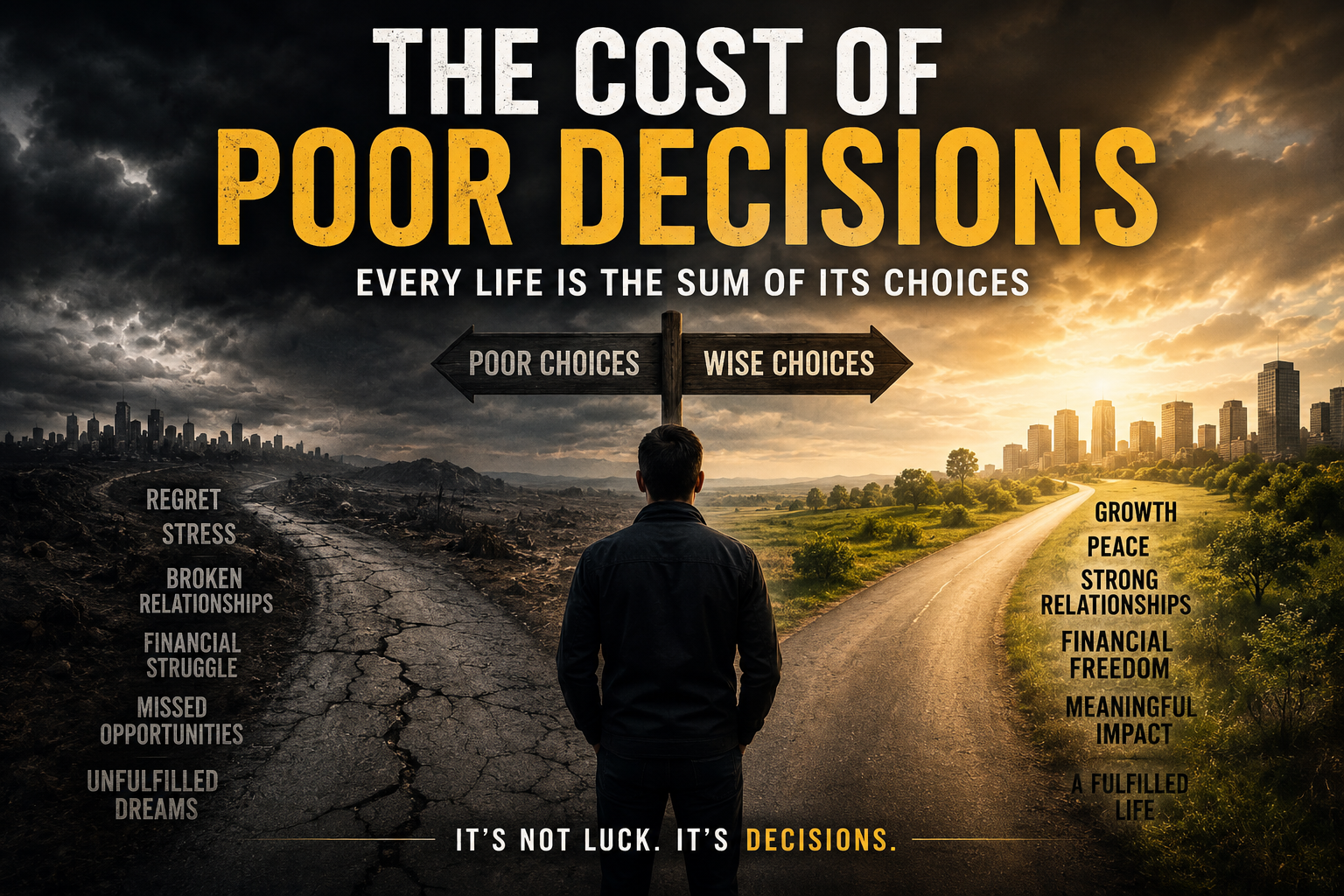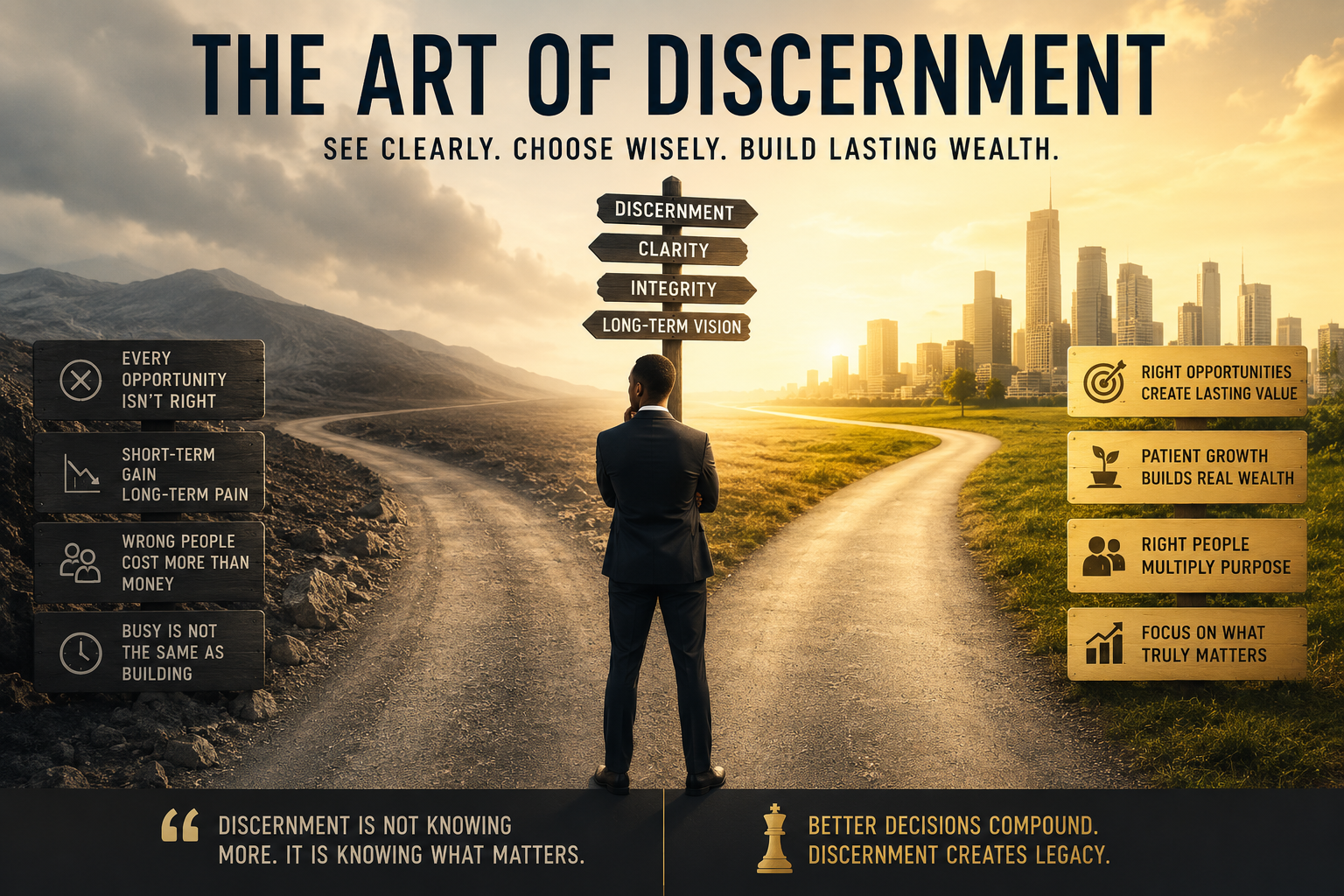
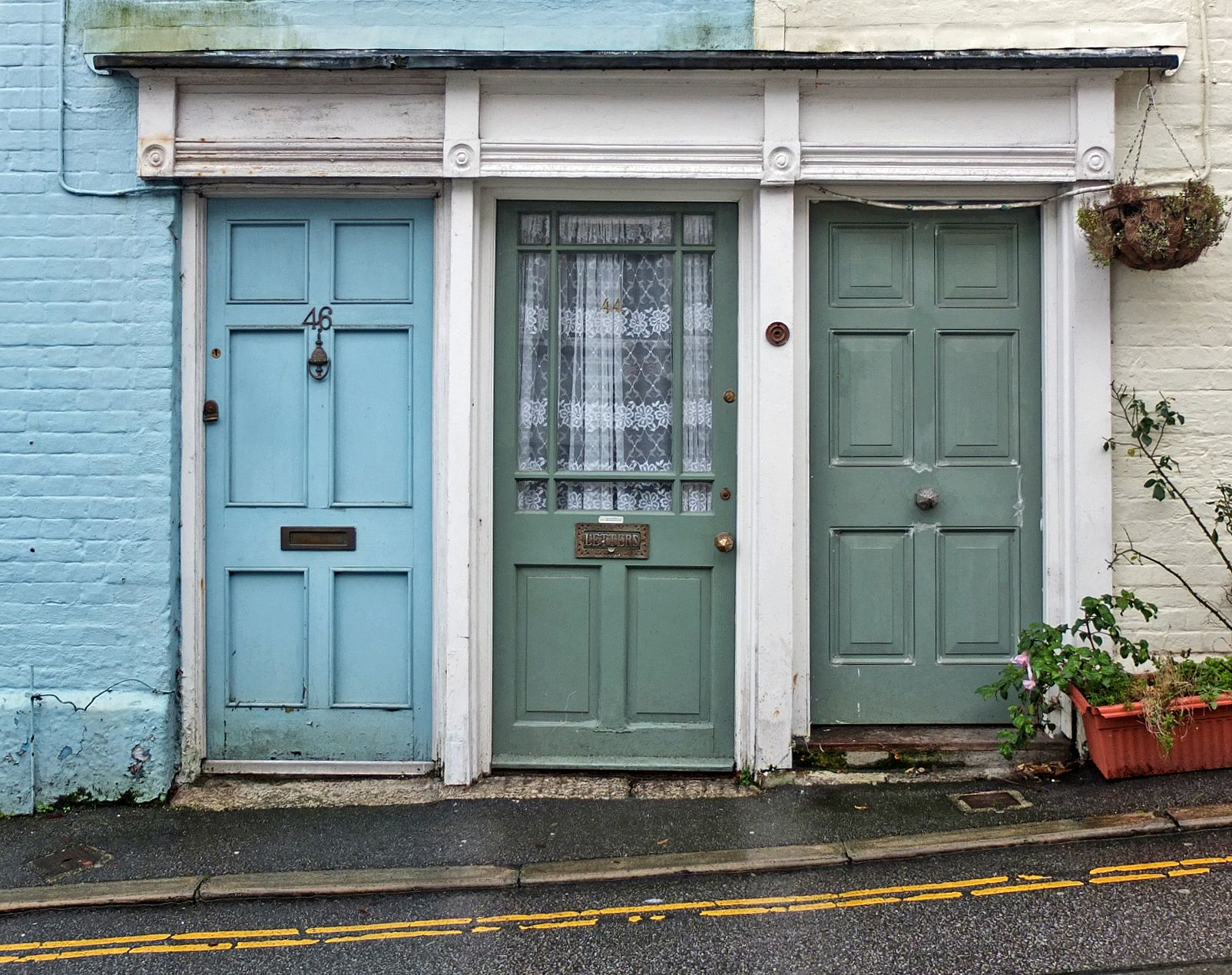
There is a common belief that wealth is simply about making more money. While income matters, it is only one part of a much larger journey.
Over the years, I have observed that lasting wealth is built by people who understand that financial growth is not an event, it is a progression. It requires moving through three distinct doors, each demanding a different mindset, a different level of discipline, and a different approach to creating value.
Unfortunately, many people spend their entire lives trying to perfect the first door without ever realizing that two more doors are waiting to be opened. They remain trapped in a cycle of earning, believing that working harder is the only path to financial success.
My own entrepreneurial journey has taught me otherwise. As I built businesses, navigated failures, and pursued long-term wealth creation, I discovered a pattern that continues to shape how I think about business and financial growth.
These are what I call The Three Doors of Wealth.
Skill → Systems → Assets
Understanding these three doors has the power to transform not only the way you earn money, but also the way you build your career, your business, and your future.
Door One: Skill
Every meaningful journey begins with value. Your first income should come from your ability to solve a problem. Whether you are an engineer, teacher, software developer, accountant, entrepreneur, salesperson, artisan, or consultant, your skill is your first economic engine.
Skills are valuable because they make you useful. In the early stages of life and business, your primary goal should not be to become wealthy overnight. Your focus should be on becoming exceptionally competent. The marketplace consistently rewards people who solve meaningful problems well.
The more valuable your skills become, the more opportunities naturally begin to find you. However, there is an important limitation that many people fail to recognize.
A skill is often tied directly to your time. If you stop working, your income usually stops as well.
This is why many highly skilled professionals earn respectable incomes yet remain financially vulnerable. Their livelihood depends almost entirely on their continued effort. Your skill is the key that opens the first door, but it was never intended to be your final destination.
Door Two: Systems
Eventually, every successful entrepreneur reaches the same realization:
Working harder has limits.
There are only twenty-four hours in a day. Real growth begins the moment you stop asking,
"How can I do more work?"
and start asking,
"How can this continue without depending entirely on me?"
That question marks the beginning of systems thinking. A system is any structure that consistently produces results without relying solely on one individual.
It may be:
- documented business processes,
- a trained team,
- technology,
- recurring services,
- automation,
- standard operating procedures,
- or any repeatable method that allows value to be created consistently.
Systems transform effort into scalability.
Instead of creating value once, they create value repeatedly.
For me, this lesson became deeply personal.
When I started Samyaotse Company Limited, I was everything.
I was the CEO.
I was the Chief Operating Officer.
I was the marketer.
I was the salesperson.
If I wasn't available, very little happened. Sales slowed down, operations stalled, and the business depended almost entirely on my presence.
Looking back, I hadn't built a business. I had built a job for myself. Everything changed when I encountered ideas that challenged me to stop thinking like an operator and start thinking like a builder of systems.
That shift transformed the way I approached leadership. Today, I understand that businesses become valuable not because the founder works harder, but because the business can continue to create value even when the founder is not in the room.
Always remember this:
If your business cannot function without you, you have not yet built a system.
And without systems, sustainable wealth remains difficult to achieve.
Systems create freedom.
Door Three: Assets
The third door is where wealth begins to outlive work.
Assets are things that continue to produce value long after the initial effort has been invested.
These may include:
- real estate,
- equity in businesses,
- intellectual property,
- books,
- investments,
- royalties,
- digital products,
- or ownership in enterprises that appreciate over time.
Assets do more than generate income. They generate options. They create leverage. They allow wealth to survive beyond today's labour. As I studied some of the world's most successful entrepreneurs and investors, I noticed one recurring pattern. While they certainly earn income, they place a greater emphasis on ownership. They understand that ownership creates leverage. They do not simply work for money. They own things that continue working for them.
I experienced this principle personally when I acquired my first real estate investment in Benin, Edo State, Nigeria.
The property did more than increase my net worth.
It gave me confidence. It strengthened my financial position. It created opportunities that had not previously existed, including greater credibility when seeking financing. That experience reinforced an important lesson for me:
Assets do not merely change your income. They change your financial possibilities.
To me, this is the stage where the landscape begins to turn green.
The Progression Matters
One of the greatest financial mistakes people make is trying to skip the journey. Some desire assets without first developing valuable skills. Others attempt to build businesses without creating systems, leaving themselves permanently trapped inside the companies they founded.
The truth is that each door prepares you for the next.
Skills develop competence.
Systems develop scale.
Assets develop legacy.
When these three work together, wealth becomes sustainable rather than temporary.
A Question Every Entrepreneur Should Ask
Take a moment to evaluate your current position.
Ask yourself:
Which door am I standing at today?
If your income depends entirely on your personal effort, perhaps your next challenge is building systems. If you already have systems in place, perhaps it is time to intentionally acquire assets that will continue creating value for years to come. Never measure your progress solely by how much you earn.
Measure it by how much value continues to exist without requiring your constant presence.
Final Thoughts
Allow me to leave you with this thought. The pursuit of wealth should never be reduced to the pursuit of money. True wealth is built intentionally. It begins with developing rare and valuable skills. It grows through systems that multiply your effort. It matures into assets that create lasting impact, long-term security, and, ultimately, greater freedom. Do not spend your entire life standing at the first door.
Walk through all three. Because wealth is not simply about making a living.
It is about building something that can outlive you